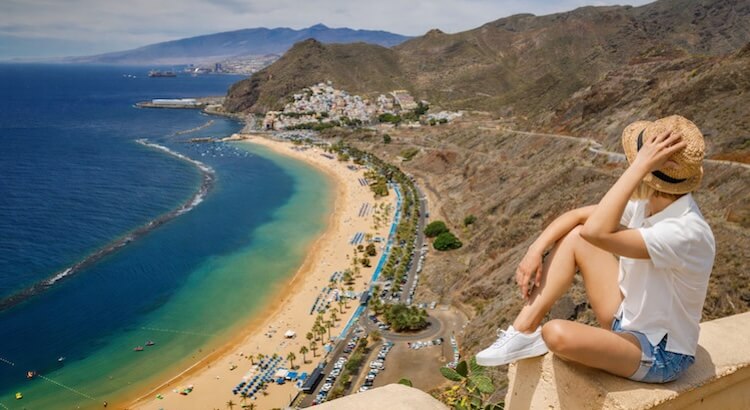
Canarian culture in Tenerife is easiest to experience in places where daily life is still visible: historic centers, public markets, craft houses, and town squares that host festivals. If you’re traveling without a car, base yourself around Santa Cruz and La Laguna for walkable streets, museums, and traditional food stops; if you can drive, add the north coast and La Orotava for architecture, crafts, and slower, more local rhythms.
Below are five of the best places to see (and taste) Canarian culture in Tenerife, plus practical tips on how to combine them into easy day plans and how to visit respectfully.
Key takeaways
- • For culture without a car, pair La Laguna’s UNESCO old town with Santa Cruz’s market + museums in one compact day.
- • For traditional crafts and classic wooden balconies, La Orotava is the most “touchable” architecture-and-handmade day out.
- • Driving helps most for Garachico (northwest) and Candelaria (east), where the setting and slower pace are part of the experience.
- • Plan around markets and festival dates: go early for food halls, and keep a light schedule if you’re attending a romería or Carnival events.
1) San Cristóbal de La Laguna: UNESCO streets, churches, and festival tradition
If you want a high-impact cultural walk that feels unmistakably Canarian, start in La Laguna’s historic center, which UNESCO listed as a World Heritage Site in 1999. The city is a lived-in grid of pastel facades, courtyards, and churches, so culture here isn’t a “show” so much as the backdrop of daily life.
La Laguna is also one of the easiest places on the island to explore without a car, thanks to trams and buses from Santa Cruz and a compact old town.
- Walk the historic center slowly and look up for balconies, wooden windows, and inner patios.
- Visit key churches and landmarks, including the Cathedral of La Laguna in the old town.
- For a classic viewpoint, climb the tower of the Iglesia de la Concepción (when open) for an overview of the historic grid.
If you’re visiting in July, La Laguna is famous for the Romería Regional de San Benito Abad, traditionally held on the second Sunday of July. It’s one of Tenerife’s most visible, family-focused expressions of rural heritage in the city: traditional dress, folk music, decorated carts, and food shared in the streets.
- Best for: Historic center atmosphere, architecture, and festivals with strong local participation.
- Car-free friendliness: Excellent (tram + walkable streets).
- Time needed: 2–4 hours for a relaxed walk, longer if you add museums or a long lunch.
2) Santa Cruz de Tenerife: Mercado de Nuestra Señora de África + museum-and-architecture cluster
For tangible culture you can taste, smell, and take home, Santa Cruz’s Mercado de Nuestra Señora de África (often called “La Recova”) is a must. It’s the capital’s main market, known for local produce and a very everyday vibe that makes it feel like Tenerife for residents, not just visitors.
What makes this area especially easy is that several major cultural stops sit close together: the market, the Museo de Naturaleza y Arqueología (MUNA), and TEA Tenerife Espacio de las Artes, an architecture-forward contemporary art space near the market district.
- Start early at the market for seasonal fruit, local cheeses, spices, and a quick bar-style bite.
- Walk to MUNA to connect food culture to deeper island history, including major collections tied to the Guanche past.
- Finish at TEA for modern Canarian creativity (and a very different architectural mood from old towns).
This “market + museums” combo is one of the best culture days in Tenerife if you don’t drive, because it’s urban, compact, and well-connected by public transport.
- Best for: Traditional food venues, museum context, and contemporary culture in one small radius.
- Car-free friendliness: Excellent (best done on foot once you’re in the center).
- Time needed: 3–6 hours depending on how museum-heavy you go.
3) La Orotava: wooden balconies, craft houses, and the island’s “handmade” side
La Orotava is where Tenerife’s architecture and crafts feel most “close-up.” The town is known for historic houses, carved woodwork, and the kind of streets where you can imagine the island’s older social life: courtyards, balconies, and quiet squares.
Your anchor stop is Casa de los Balcones, a historic Canarian house dating to around the late 17th century that now functions as a craft and cultural visit. It’s one of the best places on the island to see traditional handiwork (like embroidery and other artisan products) presented in a setting that’s part of the story.
- Look for traditional tea-wood balconies and carved details, then compare styles across the old town.
- Visit craft spaces and shops for locally made textiles and small gifts that aren’t mass-produced souvenirs.
- Plan a sit-down lunch nearby and try classic dishes (ask what’s seasonal and local).
La Orotava is doable by bus, but it’s notably easier with a car if you want to combine it with other north-coast towns in a single day.
- Best for: Local crafts, traditional architecture, and slow cultural wandering.
- Car-free friendliness: Good (possible by bus), but driving helps for combinations.
- Time needed: 2–5 hours depending on how deep you go into houses, viewpoints, and shopping.
4) Garachico: a north-coast historic town shaped by lava, trade, and resilience
Garachico is one of the north coast’s most character-rich historic towns. It’s known for cobbled lanes, old merchant houses, churches, and a dramatic coastline that reminds you how volcanic Tenerife really is.
The town’s atmosphere is the cultural experience: small squares, stonework, and layered history. When you visit, make time to simply walk and notice details rather than “tick off” sights quickly.
- Stroll the historic center and look for traditional Canarian mansions and wooden balconies.
- Step into a church or convent space if open and dress appropriately (shoulders covered is a good default).
- Pair the visit with a relaxed meal and ask for local wines and seasonal fish.
Public transport can reach Garachico, but driving makes it much easier to treat it as a flexible day trip (especially if you want to combine it with other northwest viewpoints or short coastal stops).
- Best for: Architecture in a dramatic volcanic setting, slower-paced town life, and a “real north” feeling.
- Car-free friendliness: Moderate (possible, but less flexible).
- Time needed: 2–4 hours for town + lunch; longer if you add nearby coastal walks.
5) Candelaria: pilgrimage energy, basilica architecture, and an easy coastal walk
For a cultural experience centered on living tradition, go to Candelaria. The Basílica de Nuestra Señora de Candelaria is a major Marian shrine in the Canary Islands and is closely tied to the island’s religious identity and pilgrimage culture.
Even if you’re not religious, this is one of the most straightforward places to understand how faith and community still shape public life on the island. The surrounding plaza and seafront also make it an easy, calm visit.
- Visit the basilica respectfully and keep your voice low inside.
- Walk the waterfront after your visit to decompress and take in the town’s pace.
- Choose a simple local lunch and avoid rushing the experience.
Candelaria is reachable by bus from Santa Cruz, but a car helps if you want to combine it with other eastern stops or visit around specific event times.
- Best for: Architecture, living religious tradition, and a low-effort cultural half-day.
- Car-free friendliness: Good (bus-friendly), though timing matters.
- Time needed: 1.5–3 hours.
How to plan your days: easiest without a car vs best with a car
If you’re staying in Santa Cruz or La Laguna, you can build a very culture-rich trip without driving. If you’re staying in the south, consider doing at least one guided day or renting a car for a single day to reach the north coast comfortably.
- Best culture base without a car: Santa Cruz + La Laguna (tram/bus + walking).
- Where driving helps most: Garachico and a multi-stop north day (more flexibility, less waiting).
- Car-free “Culture Day” (easy): La Laguna old town in the morning → tram to Santa Cruz → Mercado de Nuestra Señora de África for lunch → MUNA or TEA in the afternoon.
- North “Architecture + Crafts Day” (best with a car): La Orotava (Casa de los Balcones) → scenic drive → Garachico old town stroll + dinner.
- East “Tradition + Coast Day” (works by bus or car): Morning in Candelaria basilica and plaza → long seaside walk → relaxed lunch.
Respectful culture travel in Tenerife (small actions that matter)
Culture is easiest to access when you treat places as living communities, not sets. A few simple choices make your visit feel welcome and help preserve what you came to see.
- Dress modestly in churches and religious sites (cover shoulders and avoid beachwear).
- Ask before photographing people in traditional dress, especially during festivals.
- Keep voices low in museums, churches, and small residential streets.
- Buy one small handmade item directly from a craft venue instead of mass-produced souvenirs.
- Try local food with curiosity and don’t “correct” traditions by comparing them to mainland Spain.
- Leave no trace in historic centers: don’t climb on walls, balconies, or protected features.
Quick checklist: make your culture days smoother
- Start earlier than you think for markets and old towns.
- Carry cash for small market stalls and craft purchases.
- Pack a light layer for La Laguna (it can feel cooler than the coast).
- Confirm opening times for museums and church towers before you go.
- If you’re driving north, add buffer time for parking and narrow streets.
- On festival days, keep plans flexible and expect crowds and road changes.
What to ask before booking a culture-focused tour, guide, or experience
- Is the experience primarily walking, and how many hours are on foot?
- Will we visit a market, a traditional food venue, or a craft workshop (not just viewpoints)?
- Does the itinerary include time to eat local dishes, and are tastings included or paid separately?
- Which parts are indoors (museums/churches) versus outdoors (historic streets), and what’s the backup plan for rain?
- Can you adjust the day for travelers without a car (pickup points, tram-friendly routes)?
- If it’s a festival date, how do you handle access, crowds, and road closures?
- What cultural etiquette should guests know (dress codes, photography rules, noise levels)?
Want multiple local options quickly?
If you’d rather not stitch together schedules, transport, and opening hours yourself, you can post one request on MiTenerife and compare offers from local guides and providers. This is especially helpful if you want a custom “no-car” culture day in Santa Cruz/La Laguna or a private north-coast architecture-and-food route.