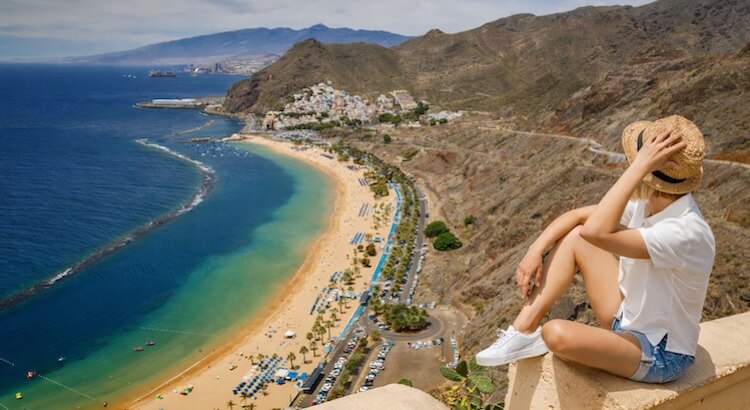
La Laguna (San Cristóbal de La Laguna) is one of the best places in Tenerife to feel a “different island” climate: cooler evenings, frequent mist, and noticeably rainier periods than the south. That’s mainly because La Laguna sits inland at around 550 m elevation and is exposed to the humid trade-wind cloud layer that often hugs the northern slopes of Tenerife.
If you’re planning a summer trip and you don’t enjoy hot nights, La Laguna is a smart base for a cooler sleep, a calmer pace, and easy access to the green north and Anaga. The trade-off is changeable visibility and occasional damp chill—so a light jacket and a little extra driving caution go a long way.
Key takeaways
- • Expect cooler nights than the coast, even in summer—bring an extra layer for evenings.
- • Mist and low cloud are common due to the trade winds and the “sea of clouds” effect on the north side of the island.
- • Rainier spells are more likely in autumn and winter; summer is usually drier but can still feel humid or grey.
- • In fog, slow down, increase following distance, and use dipped headlights—especially on roads towards Anaga and the TF-12.
Why La Laguna feels cooler than “Tenerife weather” you see on postcards
Tenerife’s climate changes fast with altitude and exposure. Coastal zones—especially in the south—tend to be sunnier and drier, while inland and higher areas on the north side are often cooler and cloudier.
La Laguna sits inland at roughly 550 m above sea level, which is high enough to knock several degrees off daytime heat and make evenings feel crisp. Tenerife’s inland/high-altitude areas “such as La Laguna” are widely described as wetter, cloudier, and cooler than the coasts, with cooler seasonal averages than seaside areas.
- Less “stored heat” than beachfront towns, so temperatures drop faster after sunset.
- More exposure to trade-wind moisture coming from the northeast.
- More cloud cover on many days, which can cap daytime temperatures.
This is why locals often describe La Laguna nights as “sweater weather” compared with Santa Cruz, Puerto de la Cruz, or the southern resorts.
Mist, low cloud, and the famous “sea of clouds” (mar de nubes)
One of the most distinctive features of La Laguna weather is the misty, cloudy feel that can roll in quickly—sometimes turning a bright day into a soft, grey one in minutes.
This links to a Tenerife phenomenon often called the “blanket of cloud” or mar de nubes. Trade winds push moist air toward the north of the island, where it condenses into a horizontal band of stratocumulus cloud that commonly forms between about 500 and 1,500 metres. That altitude band overlaps with La Laguna’s elevation, which is why you can find yourself right inside the cloud layer.
- On cloud-layer days, La Laguna can feel cool and damp even when the south is hot and sunny.
- Visibility can reduce quickly on ridge roads and forest stretches.
- Photography looks different: softer light, moodier streets, and dramatic cloud movement.
Practical tip: if you wake up to mist in La Laguna but want sun, a short drive can change everything. Sometimes you can head above the cloud (towards Teide viewpoints) or below it (towards the coast), depending on the day.
When is La Laguna rainiest? (And what that means for your plans)
Compared with the south, the north and inland zones see more frequent wet spells, especially outside summer. Tenerife’s summer months are often very dry overall, while more of the island’s meaningful rainfall tends to arrive in autumn and winter.
In La Laguna, that usually translates into a pattern like this:
- Late autumn to early spring: higher chance of rainy days and longer grey periods.
- Summer (roughly June–September): usually much drier, but still capable of cloudy mornings, mist, and the odd light shower.
- Shoulder seasons: the most “mixed bag,” with some of the nicest fresh days and some sudden damp snaps.
For travellers, the big win is that La Laguna’s rainier personality supports greener landscapes nearby—especially towards Anaga—so hikes and viewpoints feel lush rather than desert-dry.
Why La Laguna is a brilliant summer escape (especially for sleep)
If you struggle with hot nights, La Laguna can be one of the most comfortable summer bases in Tenerife. The combination of altitude and cloud cover often keeps the air feeling fresher, and evenings can be pleasantly cool compared with coastal resorts.
- Better chance of comfortable sleeping temperatures without blasting air conditioning.
- Great city vibe for summer: terraces, historic streets, and a student-town energy.
- Easy access to day trips: Santa Cruz, the north coast, and Anaga are close.
It’s also a good option if you want “Tenerife without the resort feel,” while still being within easy reach of beaches when you do want them.
Simple packing note: bring one extra layer (even in July and August)
People often pack for Tenerife like it’s always beach weather. That works in parts of the south, but La Laguna is different, especially at night or on misty days.
- Light jacket, thin fleece, or cardigan for evenings.
- Closed shoes if you plan to explore Anaga or walk the old town at night.
- Small umbrella or packable rain shell in winter months.
If you’re only bringing hand luggage, the “extra layer” is the single most useful upgrade for La Laguna comfort.
Driving cautions for foggy conditions around La Laguna
Fog and low cloud are not just a mood—they affect real-world travel, especially on forested and higher roads.
Use this quick safety checklist when visibility drops:
- Slow down and increase your following distance.
- Use dipped headlights (not full beam) so light doesn’t bounce back.
- Avoid sudden lane changes on twisty roads.
- Watch for cyclists and pedestrians near trailheads and viewpoints.
- Expect damp patches under trees even when it hasn’t rained recently.
If you’re heading towards Anaga (often via the TF-12) and the cloud is sitting low, allow extra time and drive as if the road could tighten unexpectedly—because it often does.
What to ask before booking accommodation or a driver in La Laguna
- Do rooms have heating or an extra blanket for cooler nights?
- Is there parking on-site, and is it easy to access in fog or rain?
- Are windows well sealed (to reduce damp smell on misty days)?
- How close is the property to the old town if we plan to walk at night?
- If we’re hiring a driver, are they experienced on TF-12/Anaga routes in low visibility?
- What’s the best backup plan for a rainy day (museums, markets, cafés)?
- Do you recommend specific viewpoints that work well above/below the cloud layer?
Need help arranging rides, day trips, or local services in La Laguna?
If you’d rather compare options than message providers one by one, you can post a single request on MiTenerife and let local pros come back with offers that fit your dates and route.
Visit mitenerife.com to get the best offers within 1 hour.
Sources used for climate context: Turismo de Tenerife on the “blanket of cloud/mar de nubes” and typical cloud-layer altitude band; Wikipedia overview of Tenerife’s inland vs coastal climate differences and the role of trade winds; and La Laguna elevation reference (commonly cited around 550 m).