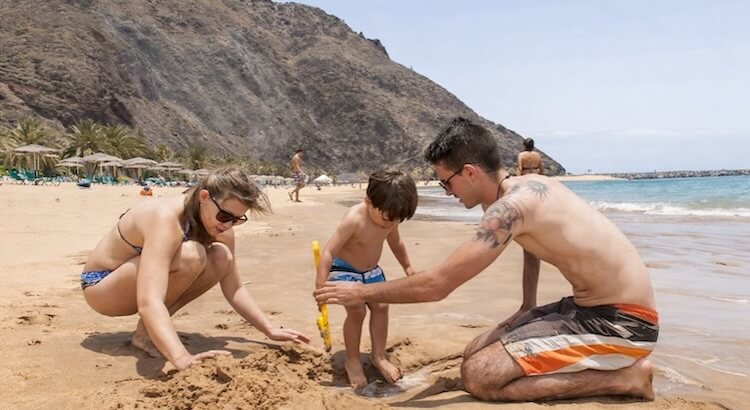
Local family life in Tenerife usually follows a simple pattern: school in the morning, the main meal (lunch) in the mid‑afternoon, and a social evening that often includes a walk and time in the street or plaza. North vs south doesn’t change those basics, but it does change the backdrop: the trade winds, cloud layers, and the island’s famous microclimates strongly influence what families do after school and where they spend weekends.
Key takeaways
- • Weekdays are built around a morning school day, a later “proper lunch,” and a relaxed evening routine.
- • The north often gets more cloud and moisture from the trade winds, while the south sits in a drier rain shadow—so outdoor plans and clothing choices differ.
- • Windy days are normal on some south/east coasts (like El Me9dano), so families learn “wind-friendly” beaches, parks, and indoor backups.
- • Two sample weekdays below show how a south coastal routine and a north city routine can feel noticeably different without being “better or worse.”
The shared Tenerife family rhythm (no matter where you live)
Across Tenerife, daily life tends to be more “outward-facing” than in many northern European or US cities. Families spend time in public spaces, kids play in plazas and parks, and errands often happen on foot in the neighborhood whenever possible.
The day also runs later than visitors expect. In Spain, lunch commonly lands in the early-to-mid afternoon and dinner often starts well after 20:30, with an afternoon snack (merienda) bridging the gap for kids.
- Breakfast is usually light and practical (coffee, toast, something quick) before school and work.
- School tends to run in the morning into early afternoon in a “continuous day” format in many Canary Islands centers (often around 08:00–14:00, varying by school).
- Lunch (la comida) is the anchor meal, typically later than in many countries.
- Afternoons are for homework, activities, and short local errands.
- Evenings are for family time outdoors when temperatures soften, often including a walk and time in parks or promenades.
If you’re new to the island and you want to settle into the rhythm fast, plan your day around two fixed points: school pickup and lunch. Everything else can be flexible.
North vs south: how microclimates shape real life
Tenerife’s north–south contrast comes from geography and wind patterns. Moist trade winds from the northeast can build cloud banks and a “sea of clouds” effect over the island’s northern slopes, while the southern side often stays drier because it sits in a rain shadow behind the central mountains.
This is why you can drive 30–45 minutes and feel like you’ve changed seasons. The difference isn’t just comfort; it changes routines like laundry timing, where you plan playground time, and whether you keep a “car beach bag” ready year‑round.
- North (often greener, cloudier): More frequent cloud cover and drizzle in many areas, especially in winter; afternoons can feel cooler and damper.
- South (often sunnier, drier): More consistent beach weather, especially on the southwest coast; some areas get strong winds, particularly on the southeast.
Local tip: families don’t talk about “north vs south” as a single rule. They talk about specific zones: coastal vs medianedas (mid‑altitude), wind corridors, and sheltered coves.
When you plan family time, think in microclimates:
- If the north is grey, a south coast afternoon can still be sunny.
- If the south is windy, an inland park or a sheltered bay can be calmer.
- If there’s calima (Saharan dust), families often reduce intense outdoor activity and choose indoor plans.
School, meals, and evenings: what a normal weekday looks like
For families, the “operating system” of the day is similar island‑wide, even if the weather feels different. A lot revolves around school hours, after‑school care, and the simple question: “Where can kids run around for 45 minutes before dinner?”
- School hours (typical pattern): Many public schools in the Canary Islands use a continuous morning schedule (for example 08:00–14:00 is common), often with a mid‑morning break; exact times vary by school and age group.
- Lunch timing: In Spain, lunch is commonly taken later (roughly 14:00–16:00), and dinner often starts around 21:00 or later.
- Merienda: Many kids have an afternoon snack between school and dinner, especially if lunch was earlier or smaller.
- Evening walk (paseo): Families often go out again in the early evening, especially in warmer months, for a walk, playground time, or a quick drink/ice cream.
In practical terms, this is why many Tenerife neighborhoods feel lively at 19:30–21:30. For visitors it can look like “everyone is out late,” but for locals it’s simply the after‑work, after‑homework part of the day.
Two “sample weekdays”: south coastal vs north city
These are not rigid rules. They’re realistic “templates” based on how many local families structure time around school, work, weather, and the evening social window.
Sample weekday: South coastal life (Los Cristianos / Costa Adeje style)
- 07:00–08:00: Quick breakfast at home, pack bags, short walk or drive to school.
- 08:00–14:00: School; many parents work, run errands, or schedule appointments in this window.
- 14:00–15:30: Lunch at home (often the main meal), then a short rest.
- 16:30–18:00: Homework and after‑school activity (sports, language class), or a playground stop.
- 18:30–20:00: Beach promenade stroll, scooters/bikes, or a park visit as the sun softens.
- 20:30–22:00: Dinner, showers, bedtime routine (later than many visitors expect).
What changes this routine in the south is mostly wind. On the southeast coast, places like El Me9dano are famous for consistent trade winds and water sports, which is great if your family likes kites and boards but can be tiring if you want calm beach time.
Sample weekday: North city life (Santa Cruz / La Laguna style)
- 07:00–08:30: Breakfast, school run; more layers in the morning if it’s cloudy or cooler.
- 08:00–14:00: School; errands often happen on foot in the neighborhood or via short drives.
- 14:00–15:30: Lunch at home; in cloudier weather, indoor time feels more natural.
- 16:30–18:30: Homework, then a park stop (urban parks are a big part of daily life).
- 19:00–20:30: Short paseo, meeting friends, or a family lap around a plaza or park before heading home.
- 21:00–22:30: Dinner and wind‑down.
In the north, the main routine-shaper is often cloud cover and occasional drizzle, especially when the trade winds push moisture against the island. Families adapt by choosing parks with tree cover, keeping a light jacket in the car, and planning outdoor time in the brightest part of the day.
Windy or cloudy days: what families actually do
Locals don’t cancel life when the weather shifts. They switch the plan. Because Tenerife’s weather can change quickly by zone and altitude, families often keep a short list of “Plan B” places within 10–20 minutes.
When it’s windy (common in parts of the south/east)
- Pick a sheltered beach or cove instead of an open bay.
- Swap sand-and-towels for a promenade walk where wind is less annoying.
- Choose a playground behind buildings or in a lower, protected area.
- Do errands, then reward kids with an indoor treat (churros, a bakery stop, a small toy shop run).
- Lean into it: kites, wind sports lessons, or watching the action in places known for wind.
When it’s cloudy in the north (or you want sun)
- Drive south for a late afternoon beach hour if schedules allow.
- Stay local and go for a park loop during the clearest window.
- Head to a covered shopping area for practical errands and a merienda.
- Plan a short indoor activity, then still do a brief paseo if rain stops.
When there’s calima (dusty, hot air)
- Reduce strenuous outdoor exercise and keep kids hydrated.
- Prefer indoor plans and shorter outdoor bursts.
- Keep windows closed if dust is heavy, and consider air filtration if needed.
If you’re relocating or spending a long season on the island, this is one of the biggest “quality of life” upgrades: stop expecting one perfect forecast for all of Tenerife. Check conditions by area and keep flexible.
Family checklist: settling into the local routine (without stress)
- Keep a light jacket and a thin rain layer in the car (north and mid‑altitudes can change fast).
- Carry sunscreen year‑round, even on cloudy days.
- Build your day around school pickup and lunch rather than “early dinner.”
- Have two nearby parks saved on your map: one sunny, one sheltered from wind.
- Stock easy merienda options (fruit, yogurt, bocadillos) to avoid pre-dinner meltdowns.
- Choose one weekday evening for “nothing scheduled” so kids can just play outside.
What to ask before booking family services in Tenerife
If you’re arranging help for family life (childcare, cleaning, after‑school pickups, tutoring, handymen for the home), routines matter as much as price. These questions save time and avoid misunderstandings.
- Do you work with school pickup times around 13:30–14:30 (and do you handle delays)?
- Which zones do you cover, and how do you price cross-island travel (north to south)?
- What’s your plan if it’s windy, raining, or there’s calima (outdoor vs indoor activities)?
- Are you comfortable with late schedules (evening support, later dinner routines)?
- What’s included, what’s optional, and what should we prepare in advance?
- Can you share references or recent reviews from families in our area?
- What languages do you speak with children, and how do you handle homework support?
- What’s your cancellation policy for same-day weather changes?
If you want to compare options quickly, you can post one request on MiTenerife and receive multiple offers from local providers, which is especially helpful if you’re trying to coordinate around school runs and microclimates.
Getting help that fits your routine (north or south)
The “best” side of Tenerife for family life depends on what you want daily: more sunshine and beach promenades, or more greenery and urban parks, or a mix between coast and medianedas. The good news is that local routines are stable and family-friendly across the island, and the weather differences are manageable once you plan for them.
When you need practical supporta0for that day-to-day rhythma0from cleaners and babysitters to transport and home repairsa0visit mitenerife.com to get the best offers within 1 hour.
Sources: Canary Islands examples of continuous school day schedules (Gobierno de Canarias school sites); Spain meal-time norms (Forever Barcelona; Take Walks; Just Landed); Tenerife north–south climate contrast and sea of clouds explanations (WebTenerife; AEMET/ACANMET materials); El Me9dano wind consistency background (Duotone Pro Center Tenerife; Kitesurf The World; El Me9dano references).