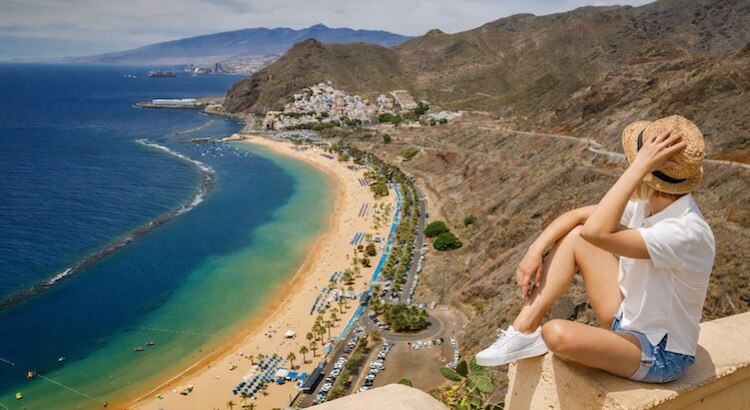
To choose a kid-friendly beach based on waves and wind, start by avoiding exposed coastlines on windy or swell-heavy days and prioritizing sheltered bays with a sandy entry, lifeguards, and nearby facilities. Use the local beach flag system as your final “go/no-go” check, even if the water looks calm. Then plan the practical side: parking, walking distance, and how you will carry gear and a stroller safely across hot sand or rocks.
Key takeaways
- • Wind and swell decide how rough the water is, but the beach’s exposure (open coast vs sheltered bay) decides how much of that energy reaches your kids.
- • For toddlers, favor sandy entry, gentle slope, lifeguards, and facilities close to the sand so you can react fast.
- • Always check the beach flags on arrival; if there is no lifeguard or flag, treat it as higher risk and keep the plan conservative.
- • Parking and walking distance matter with kids: the safest beach can still be a bad day if you have a long, steep walk with gear and a stroller.
What “kid-friendly” means (and what to look for first)
A kid-friendly beach is not just “pretty” or “popular.” It is a beach where small children can enter and exit the water easily, where conditions are predictable, and where you can get help fast if something goes wrong.
Before you even look at a forecast, scan these core features.
- Wave exposure: Sheltered bays and coves are usually calmer than open, straight coastlines.
- Entry type: Sand entry is easier and safer than rocks, boulders, or sharp volcanic shelves.
- Water entry slope: A gradual slope gives you a wider shallow zone for play.
- Lifeguards: A staffed post and visible flags are a big safety upgrade.
- Facilities: Toilets, showers, shade, and food options reduce “rush decisions” with kids.
- Clear swim area: Marked zones away from boats and jet skis help you relax.
In Tenerife, beaches can change a lot from one side of the island to the other. That is why you should treat “today’s wind + swell” as part of your beach choice, not an afterthought.
How wind and swell create (or remove) safe swimming zones
Two forces matter most for kid comfort and safety: wind (what you feel) and swell (what arrives from offshore). They often combine, but they are not the same thing.
- Wind creates surface chop, pushes inflatables, and can increase drift along the shore.
- Swell is wave energy traveling from distant storms, and it can produce powerful sets even on sunny days.
For kids, the practical risks are usually these.
- Knockdowns in the shorebreak when waves hit the steep part of the beach.
- Being pushed into rocks or a rough entry zone.
- Strong “pull” feelings near channels, jetties, or gaps in reefs (possible rip currents).
- Wind drift of floaties, bodyboards, and even tired swimmers.
Also remember: a beach can look calm for 5 minutes and then get a bigger set. With children, you plan for the bigger set, not the calm moment.
A simple wind + swell decision framework (use this before you leave)
You do not need to be a surfer to make a good call. You just need a repeatable way to decide: “sheltered beach day” or “play on the sand day.”
Use this quick framework.
- Step 1: Identify your beach type. Is it an open coast beach or a sheltered bay/harbor-style beach?
- Step 2: Check swell direction + size. If the beach faces the swell, expect bigger waves and stronger shorebreak.
- Step 3: Check wind direction + strength. Onshore wind (blowing toward the beach) usually makes the water messier and increases drift.
- Step 4: Decide your kid plan. Full swim, shallow splash only, or sandcastle-only.
Then apply these simple rules.
- If swell is up and the beach is exposed: choose a more sheltered beach or skip swimming.
- If wind is strong and onshore: expect chop and fast drift; pick a protected bay or shorten water time.
- If you see waves breaking on rocks or a steep shorebreak: that is a “no” for toddlers and weak swimmers.
- If conditions are mixed: pick the beach with lifeguards, sandy entry, and a wide shallow zone.
If you are unsure, take the conservative option. A calm, easy day at a sheltered beach beats a stressful “maybe it’s fine” day every time.
Kid-friendly beach selection checklist (waves, entry, lifeguards, facilities)
Use this checklist when comparing beaches, and again when you arrive.
- Sandy entry (not rocks, not slippery algae-covered stones).
- Wide shallow area and a gentle slope into the water.
- Protected from the main swell (bay shape, breakwater, or natural shelter).
- Clear view of the whole swim zone from where you sit.
- Lifeguard presence and visible beach flags.
- Marked swimming area away from marine traffic.
- Toilets and showers close to the sand.
- Shade options (natural or rentable) and wind shelter.
- Easy access for stroller or a short carry from parking.
- Mobile signal or nearby help points in case you need assistance.
If a beach fails the first three items (sandy entry, gentle slope, shelter), it usually cannot be “fixed” by good intentions. Choose a different spot.
Beach flags in Tenerife: where to check them and how to use them
Forecasts help you choose where to go. Beach flags decide what you do when you get there.
In general, the color flags mean the following.
- Green: bathing allowed (still supervise closely).
- Yellow: caution (stay shallow, no inflatables, hold hands with small kids).
- Red: do not enter the water.
Some beaches also use additional signage for hazards like strong currents or jellyfish. Treat posted warnings seriously, especially with children.
Where to check flags locally:
- At the lifeguard tower or main access point where flags are raised.
- On information boards at the promenade or beach entrance.
- By asking the lifeguard directly what the main risk is that day.
If there is no lifeguard and no flag system visible, assume you do not have real-time safety management. With kids, that usually means choosing a different beach or staying out of the water.
Parking, walking distance, and stroller realities (with beach gear)
Families often pick a beach based on water photos and forget the “last 300 meters.” That last part can decide whether the day is easy or exhausting.
Before you commit, think about these practical points.
- Parking distance: A short walk matters when you carry water, snacks, and a tired child.
- Stroller-friendly route: Some access paths include stairs, steep ramps, or soft sand from the start.
- Surface heat: Dark volcanic sand and stone can get hot; plan footwear and quick shade setup.
- Wind on the beach: Strong wind makes umbrellas unstable and sand unpleasant for babies’ eyes.
- Exit plan: If conditions change, you want a simple route back to the car.
Pack so you can move quickly if the wind rises or swell builds.
- One backpack for essentials (water, snacks, wipes, first aid).
- One small bag for swim items (towels, rash guards, goggles).
- A lightweight shade option that can handle wind or be abandoned safely if needed.
If you bring a stroller, consider whether you will park it on the promenade and carry the child and gear down, or bring a beach wagon with wide wheels if the access is sandy.
What to ask before booking (or choosing) a beach day
If you are staying at a hotel, booking a driver, or choosing a guided family day, asking a few questions can save you a wasted trip.
- Is this beach exposed to today’s swell direction, or is it naturally sheltered?
- Is the entry sandy all the way, or are there rocks in the first few meters?
- Are lifeguards on duty today, and where are the flags posted?
- Is there a marked swim zone away from boats and water sports?
- How far is parking from the sand, and is the route stroller-friendly?
- Are there toilets, showers, and shade close to where families usually sit?
- At what time does wind typically pick up in this area?
- If the flags turn yellow/red, what nearby sheltered alternative do you recommend?
These questions also help you compare beaches without needing exact wave numbers.
Need help planning a family beach day in Tenerife?
If you want an easy day with kids, it helps to combine the right beach with the right logistics, especially when you have strollers, naps, and lots of gear. Local drivers, family-friendly guides, and babysitting services can also make the day smoother when conditions are changeable.
Use asktenerife.es, write one request, and get the best offers within 1 hour.