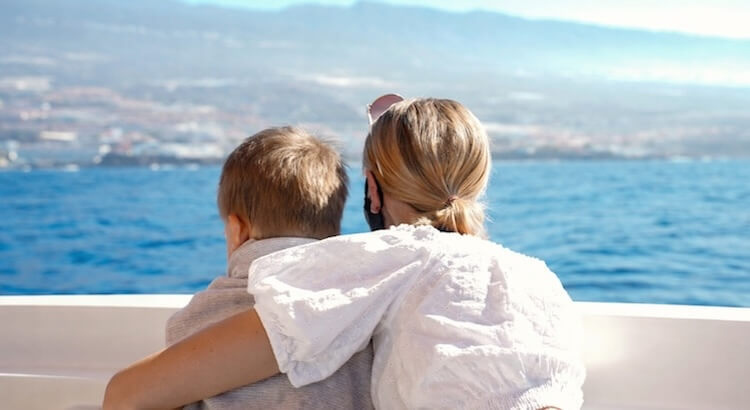
Tenerife is family-friendly for snorkeling when you choose sheltered bays and simple entries, and you only go in on calm days with lifeguard flags in your favour. The easiest plan is to pick a cove with natural or man-made protection, snorkel early for clearer water, and keep the session short and close to shore.
This article explains how to choose snorkeling spots by swell direction and entry type, the basic safety rules that matter most with children, kid-specific gear recommendations, and solid alternatives for days when conditions are too rough.
Key takeaways
- • Choose bays that are sheltered by a breakwater or headland, then match the beach to the day’s swell and wind.
- • For families, the safest entries are sandy or gently sloping steps with a clear “in and out” point.
- • Go early (usually morning) for calmer seas and better visibility, and keep kids on a simple, close-to-shore route.
- • Use kid-sized masks, short fins, and a buoyancy aid; skip inflatables like pool noodles in open ocean conditions.
How to choose a family snorkeling spot in Tenerife (swell + entry type)
The number-one difference between a “magical” family snorkel and a stressful one is not the marine life. It’s the entry and the sea state.
Tenerife is an Atlantic island, so conditions can change quickly with swell and wind. A place that looks calm at midday can be uncomfortable an hour later, and a rocky entry that feels fine for adults can be a deal-breaker with kids.
Start with two quick checks before you even talk about the fish:
- Is the bay protected (breakwater, harbour wall, or headland)?
- Is the entry simple (sand, pebbles, steps, or a clear ramp) with an easy exit?
Then match the spot to the conditions:
- Ocean swell: Bigger swell means more surge on rocks and more sand stirred up, which ruins visibility.
- Wind: Wind creates surface chop and pushes you down the coast, which is a problem with children who drift fast.
Entry types (from easiest to hardest for families):
- Sandy beach entry: Best for first-timers and younger kids, but watch for wave push on steep black-sand beaches.
- Harbour steps / ladders: Often calm and protected, but you must manage slippery surfaces and boat traffic rules.
- Rock platform entry: Only on very calm days, because surge can knock people off balance.
- Cliff access or “scramble down” coves: Not ideal for families, even if the water looks tempting.
Family rule of thumb: If you would not be comfortable carrying a tired child out of the water at that entry, choose another place.
Safe-entry, calmer bays worth considering (and why they work)
There is no single “best” snorkeling beach in Tenerife for every day of the year. What you want are reliable, sheltered options where the entry is predictable and you can quickly get out if a child gets cold, anxious, or tired.
These places are commonly described as sheltered or calmer due to their geography or breakwaters:
- Playa de Las Teresitas (San Andrés): Calm water is helped by a long breakwater, plus the entry is gradual and family-oriented.
- Playa de Radazul (east coast): A sheltered bay that local dive operators describe as having easy access and stable conditions for beginner programs.
- El Puertito de Armeñime (Costa Adeje area): A protected semi-circular bay often recommended by dive sources for snorkelling in a small cove.
- Playa de Abama (Guía de Isora): A small cove protected by rocky formations and a breakwater, often described as calm and suitable for swimming and snorkeling.
- Playa de la Arena (Puerto de Santiago): Widely promoted as a family beach with calm waves and strong services, but still treat west-coast swell with respect.
Important: Even sheltered bays can be unsafe when swell is up, especially near rocks and harbour walls where wave rebound can create messy water. Always check flags and local signage when you arrive.
A simple “in-water plan” for kids:
- Start in waist-deep water and practise breathing through the snorkel for 2 minutes.
- Swim parallel to shore, not straight out.
- Turn back while everyone still feels comfortable, not when someone is exhausted.
Best time of day for visibility (and a quick plan for families)
Visibility is usually best when the surface is calm and the sand is not being stirred up. For many Tenerife beaches, that often means going earlier in the day before winds and activity pick up.
Morning sessions also reduce heat stress for kids in wetsuits, and they make it easier to keep the outing short and positive.
- Best time window for many families: roughly 9:00–11:30.
- When to be cautious: afternoons with stronger breeze, more chop, and more drift.
Family-friendly session template (45–75 minutes total):
- 10 minutes: check flags, look at the water, choose your exit point.
- 10 minutes: gear fit check and a shallow-water practice.
- 15–25 minutes: snorkel loop close to shore.
- 5 minutes: exit and warm up immediately.
- Optional: second short loop only if everyone is still happy.
Gear recommendations for kids (what matters and what to skip)
Kids don’t need fancy equipment. They need gear that fits, keeps them warm, and reduces panic if they swallow a bit of water.
Kid snorkel essentials:
- Kid-sized mask: Fit matters more than brand; test by gently inhaling through the nose and seeing if it seals without the strap.
- Dry-top snorkel: Helps reduce water entry when little waves pass over the tube.
- Short fins: Easier kicking and less cramping, especially for smaller legs.
- Thermal layer: A shorty wetsuit or neoprene top reduces “I’m cold” meltdowns even in mild water.
- High-visibility rash vest or cap: Makes it easier to keep eyes on your child in the water.
Buoyancy and supervision: Many guided tours and some rental setups offer buoyancy vests. For families, a snorkel vest can be a better choice than inflatable toys because it is made for water use and keeps the body position calmer.
What to avoid for open-water family snorkeling:
- Loose-fitting adult masks on kids.
- Long stiff fins for beginners.
- Inflatables like pool noodles if there is swell or wind, because they drift fast and can flip.
- Full-face masks for kids unless you have expert guidance and the child already has strong breathing comfort.
Quick anti-fog tip: Rinse the mask in seawater, then use a tiny drop of baby shampoo diluted with water and rinse lightly. A clear mask equals calmer kids.
Snorkeling safety basics that keep families out of trouble
Snorkeling feels gentle, but it becomes risky when people underestimate currents, waves, fatigue, and cold. With children, you want fewer variables and tighter boundaries.
Use this safety checklist before every entry:
- Check beach flags and obey them, even if the water “looks fine.”
- Pick one clear entry and one clear exit point.
- Set a hard boundary: “We do not go past that rock / buoy / lifeguard zone.”
- Use the buddy system, and keep kids within arm’s reach in the first 5 minutes.
- Watch for drift by looking back at your towel or a landmark every 2–3 minutes.
- Stay away from harbour channels and anywhere boats or jet skis pass.
- End early if anyone feels cold, tired, or anxious.
If you suspect a current: Don’t fight straight back to shore. Move parallel to the coast toward a calmer exit and signal for help early.
Respect the environment: Don’t stand on rocks covered with algae, don’t touch animals, and avoid kicking up sand because it reduces visibility for everyone.
What to do when conditions are rough (easy alternatives)
Some days the ocean is not a “family snorkel” ocean, especially on exposed coasts or after a swell. That is normal, and having a Plan B keeps the day enjoyable.
Plan B options that still feel like an ocean day:
- Choose a more sheltered coast: If the north is rough, the south or east can be calmer, and vice versa.
- Switch to a protected swimming beach: Breakwater beaches can still be swimmable when open coasts are not.
- Book a guided snorkeling trip: Guides choose the safest entry points for the day, provide buoyancy aids, and keep the group together.
- Do a “gear practice” in a pool: Let kids learn breathing and mask clearing with zero waves.
- Do a coastal walk and tidepool look: You still get the nature experience without committing to open water.
If you want to compare guided options quickly, you can post one request on MiTenerife and hear back from local providers with different routes and safety setups.
What to ask before booking (or before you enter on your own)
A few simple questions prevent most family snorkel mishaps. Use these for tour operators, equipment rentals, or as your own decision checklist.
- Is this bay sheltered from today’s swell and wind direction?
- Where is the easiest entry and the safest exit if the sea picks up?
- Is there a lifeguard service today, and what do the current flags indicate?
- What is the maximum depth you expect us to snorkel in with kids?
- Do you provide kid sizes for masks and fins, and buoyancy vests?
- How do you manage drift and boat traffic (especially near harbours)?
- What is the cancellation or change plan if conditions worsen?
When you’re ready to go, use mitenerife.com to post your snorkeling or family activity request and get the best offers within 1 hour.